Recording a construction project over several months or years involves more than setting a camera to take photographs at regular intervals. The camera needs a suitable viewpoint, a reliable power supply and enough storage to keep recording as conditions on site change. A managed time-lapse camera service brings these tasks together, covering installation, monitoring, maintenance and editing. Understanding how each part works can help you decide whether this approach suits your project.

  • Free site survey
  • Built-in 4G
  • Mains or solar power
  • 4K, 8K and 12K
  • 24/7 online portal
  • From £220 per month

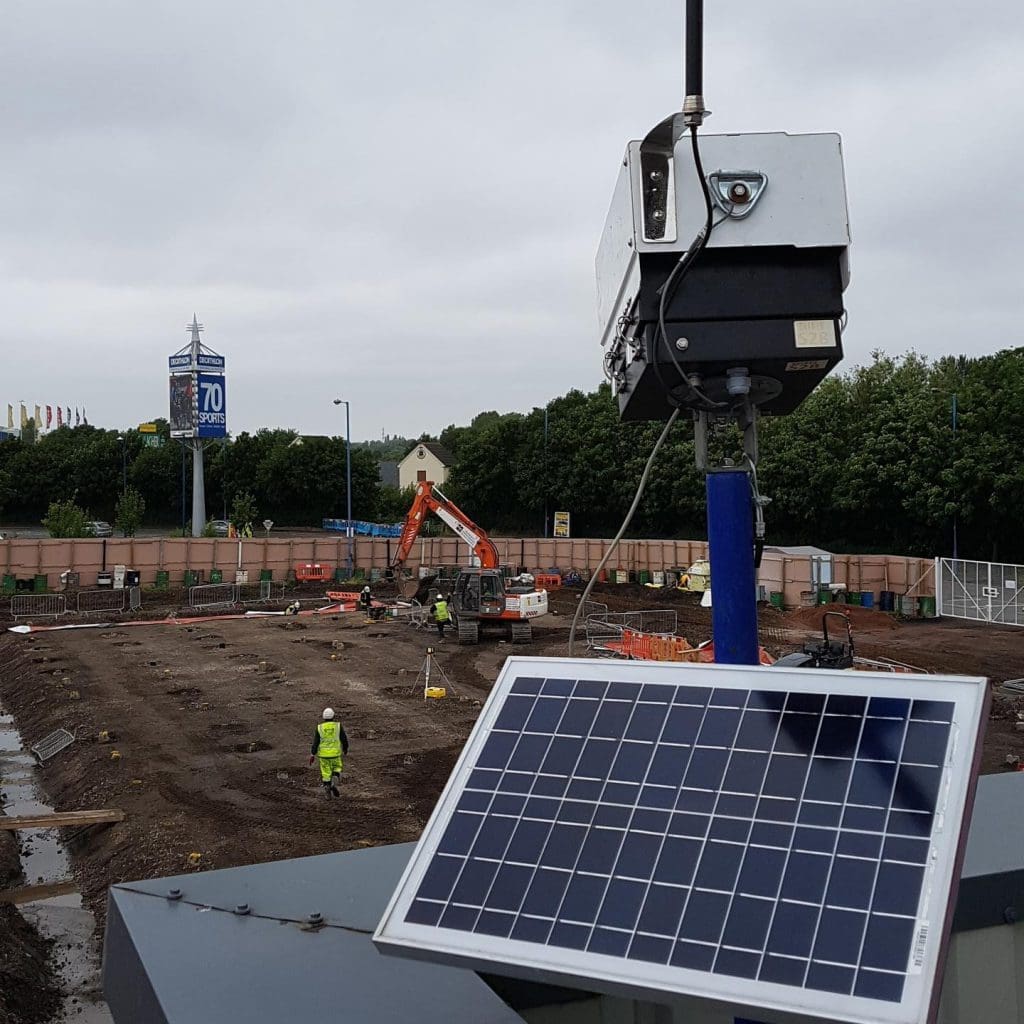
Solar time-lapse camera

Planning the camera position

The camera’s position determines how useful the images will be, both during construction and in the finished film. A view that captures the groundworks clearly may become obstructed by scaffolding or lose the top of the building as it reaches its full height. Planning therefore needs to account for the later stages of the build as well as the site’s initial layout.

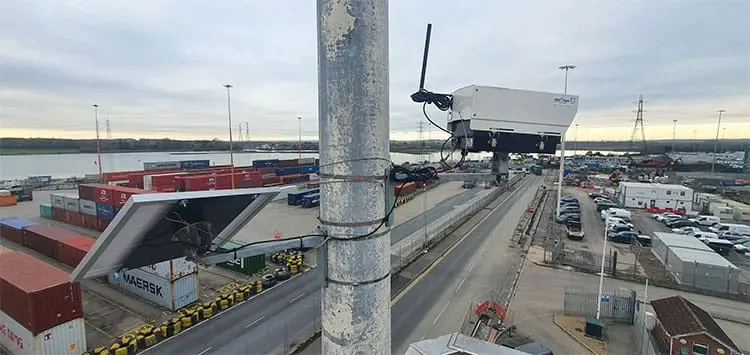
A site survey provides an opportunity to agree the views, check the 4G signal and assess mounting options. Depending on the location, cameras may need custom brackets, a dedicated tower or a tower crane mount. Installation at height also requires appropriate planning and trained engineers, supported by task-specific risk assessments and method statements (RAMS).

Solar power construction time-lapse cameras

Keeping cameras running throughout the build

Construction sites present several challenges for long-term recording. Power supplies can be switched off, lenses can become dirty and cameras can be knocked out of position. Even a small movement can create a noticeable jump when the images are combined into a time-lapse film.

With a managed service, engineers monitor and maintain the cameras throughout the hire, addressing faults and moving cameras when the build changes. This reduces the routine work for the site team and helps identify problems before they affect a substantial part of the record.

Connectivity and power also need consideration. Site Eye’s cameras use built-in 4G, so they do not require a connection to the site network. They can run on 110 V or 240 V mains power, with solar-powered options for locations without a supply. If the connection drops, the camera continues taking pictures and stores them locally for weeks if necessary, uploading them when the connection returns.

4Gbuilt in, no site network
110 / 240 Vmains power
Solarwhere there is no supply
Weeksof local image storage

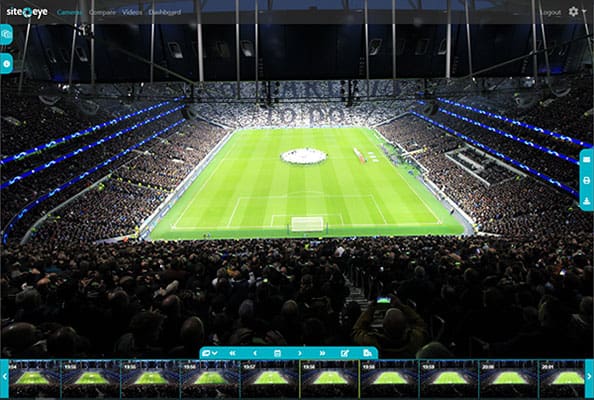
Online high resolution time-lapse images

Using the images during construction

Time-lapse images can serve a purpose long before the final film is produced. A time-stamped archive allows project teams and clients to check progress remotely, revisit particular dates and compare different stages of the build.

Site Eye provides access through a secure online portal, available around the clock on desktop, iOS and Android. This gives people working away from the site a way to follow progress and can help reduce visits made solely to check how work is advancing.

Image resolution affects how much detail the record captures. Site Eye records in 4K as standard, with 8K and 12K options for large sites and long-range views. The appropriate choice depends on the area being recorded and how the images will be used.

Turning the record into a finished film

A long construction project can produce tens of thousands of photographs. Creating a useful film involves selecting and editing those images into a clear account of the build.

The managed service includes monthly clips from each camera, with additional milestone edits available on request. At the end of the project, a hand-edited final film brings the sequence together. Drone footage, music and titles can be included where required.

Costs and handover

From £220per month
Freesite survey
6 monthsfree portal access after the hire

Site Eye’s construction time-lapse cameras start at £220 per month, with the price confirmed after a free site survey. The survey establishes the camera positions and installation requirements, giving the project team a clearer basis for budgeting.

Once installation is complete, monitoring and maintenance continue throughout the hire. At handover, the finished film is supplied, and portal access remains available free of charge for six months after the hire ends.

A managed service is particularly useful when a project needs a consistent visual record, but the site team has limited time to maintain cameras and organise footage. Its value lies in the ongoing work needed to keep that record usable, from choosing the first viewpoint to editing the final sequence.

The benefits of a managed time-lapse service

Bringing installation, maintenance and editing into one service offers several practical benefits:

Less work for the site team

Engineers handle camera setup, monitoring and maintenance throughout the hire.

A consistent project record

Ongoing checks help identify faults, while local storage allows recording to continue during connection outages.

Views planned around the build

Camera positions take account of the completed structure, with moves arranged as the site changes.

Remote access to progress

A secure, time-stamped image archive lets teams and clients review the project without always travelling to site.

Options for different site conditions

Mains or solar power and built-in 4G support locations with different power and connectivity requirements.

Footage ready to share

Monthly clips, milestone edits and a finished film provide material for project updates, presentations and marketing.

Planning time-lapse for your project?

If you are considering a managed time-lapse service, a site survey can help establish suitable camera positions, power options and installation requirements. Site Eye offers a free site survey, contact us to discuss your project.